R.M.S. Titanic model: building history, promoting creativity
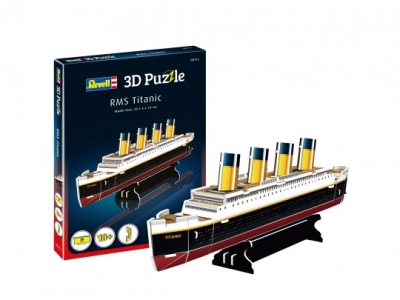
The fascination with legendary ships often begins with a simple question: What did the Titanic really look like? Especially for young people who are looking for access to history and want to work creatively at the same time, there is often no suitable introduction. This is exactly where it starts R.M.S. Titanic click system model an: A well thought-out kit that makes history tangible - without glue, without frustration, with an immediate sense of achievement.
Special features
Innovative click system: No glue required – easy to put together for stable results
Multicolored components: Precisely crafted, no painting required
Structured Details: Hull with planking, decks with wooden plank look
Stickers & Decals: For realistic and creative design
Promotes creativity & concentration: Ideal for young model building fans
Scope of delivery
Model kit of the R.M.S. Titanic (click system)
Multicolored, precisely fitting components
Decals and stickers
Display stand for presentation
Detailed, illustrated construction instructions
Through the sophisticated Click system You can set it up step by step – without any tools or prior knowledge. The parts are already designed in color and can be put together stably. The included stickers allow you to customize it according to your taste. The finished kit will find a worthy place in your room or shelf on the included display stand.
This model is ideal for children and young people who are enthusiastic about technology, history or crafts - but also for adults who are looking for a quick sense of achievement in model building. This is not just a model ship, but a real project with added value.
Background information
The R.M.S. Titanic was the largest and most luxurious passenger ship of her time. Launched on April 10, 1912, she was considered unsinkable - until she collided with an iceberg on the night of April 14th and 15th and sank tragically. The Titanic myth still fascinates millions of people worldwide today. With this model you not only bring home a piece of technical history, but you become part of history yourself - when building, understanding and designing.